GTS News Center & Latest Updates
Your Most Professional Enterprise Systems and Software Custom Development Provider!



GTS News Center & Latest Updates
1. Why "Wrong System Selection" is More Fatal Than "Technical Implementation"
Many enterprises, when starting Securities Trading System Development or system refactoring, tend to focus on whether functions are complete, performance is sufficient, or short-term delivery speed, underestimating the long-term impact of wrong system selection. In practice, technical details are important, but if the foundational architecture of the trading system is chosen incorrectly, future maintenance and expansion costs will rise sharply, and critical areas such as compliance audits, cross-platform integration, and risk management may suffer irreparable gaps.
Choosing an unsuitable system is like building the wrong foundation for a business; fixing it later through technical adjustments only consumes more resources and may leave the enterprise unprepared for market changes. For financial markets with high regulatory and operational requirements like Hong Kong, wrong system selection is often more fatal than technical implementation. Therefore, from an enterprise decision-making perspective, the key to securities trading system development lies in "choosing the right direction from the start."

(1) Architectural Scalability and Long-Term Evolution
The value of a securities trading system lies not only in its current functionality but also in whether its architecture can support future business growth, asset expansion, increased transaction frequency, and cross-market access. Off-the-shelf solutions may seem quick to deploy, but if the architecture is unclear or lacks modularity, scaling up will be more costly. This risk is often underestimated during early selection.
(2) Cross-Platform Data Consistency and Integration
Modern enterprise business scenarios often involve multiple endpoints: trading terminals (Web/Mobile App), back-office operations, risk control systems, reporting, and analytics platforms. If modules cannot share a unified data source and state management mechanism, inconsistencies between front-end and back-end may arise, potentially causing issues in auditing and reconciliation.
This is not only a technical implementation challenge but also a core architectural design problem. Reference: “Multi-Platform Financial Trading System Development: How to Integrate Web, App, and Back-End?”
(3) System Evolution and Long-Term Operational Costs
Many enterprises only consider initial costs (development, deployment) when selecting systems, ignoring long-term maintenance, expansion, and upgrade expenses. If future asset classes need to be added, more markets connected, risk modules enhanced, or regulatory requirements incorporated, costs often rise significantly. Failing to evaluate system evolution and operational expenses thoroughly is a major reason for future refactoring or iterative failures.
For Hong Kong’s financial market, compliance is never an afterthought but a core architectural consideration. Securities trading systems must meet multi-level compliance requirements, including access control, transaction logs, data auditing, and risk reporting, and these must be implemented at every system layer.
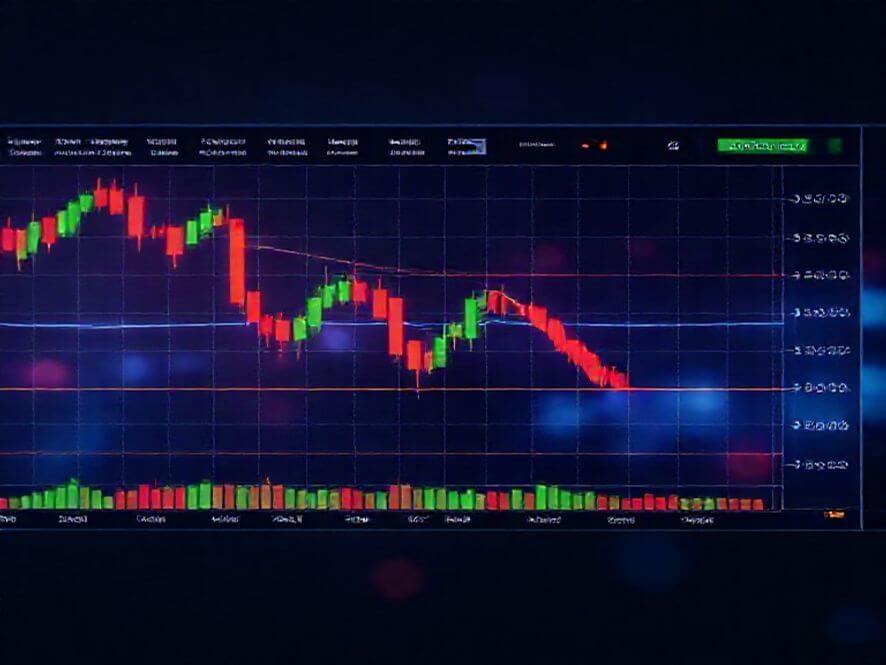
Many enterprises treat compliance as an add-on to address later, but in regulatory audits or internal reviews, any compliance gaps may require system refactoring or suspension, delaying business and creating legal risks. Therefore, during system design, enterprises must establish unified permission and logging mechanisms, comprehensive audit strategies, and ensure all critical operations are traceable and secure. Integrating these considerations at the selection and architecture design stage avoids costly fixes later.
Cost and risk are constant concerns in enterprise system selection and refactoring. Many enterprises focus on initial development expenses while ignoring maintenance, upgrades, and risk adjustments. If the architecture proves unsuitable after deployment, refactoring or full replacement becomes necessary, turning initial budgeted costs into sunk costs.
Therefore, enterprises should focus on risk control and long-term cost management, such as ease of integration with new markets, cross-asset support, and alignment with regulatory updates. The guiding principle: selection is not just for current issues but for future growth flexibility. This perspective helps avoid costly refactoring during business expansion or market changes.

Practical Recommendations for Business Decision-Makers:From a management perspective, securities trading system development is not about technical details but integrating business support capabilities, architectural flexibility, and compliance. Recommendations:
Identify business needs and growth paths before system selection, not the other way around;
Incorporate compliance, auditing, and operations into architecture design to avoid last-minute fixes;
Deploy in phases, ensuring core operations first, then gradually expanding modules;
Prioritize vendors with long-term support capabilities and local compliance understanding, rather than just choosing low cost.
For Hong Kong enterprises, securities trading system development requires cross-department consensus, system integration, and readiness for future business changes. Every architectural decision at the selection stage will significantly affect ROI and market competitiveness.
If you are evaluating securities trading system development, system refactoring, or platform selection, consider a professional architecture and selection review first. GTS’s financial IT solutions help enterprises assess existing systems, local regulatory requirements, and operational models, mapping feasible trading architectures and risks to provide a clear basis for subsequent technical decisions: submit your requirements and schedule a trading system architecture review.
This article, "Securities Trading System Development: Critical Issues Hong Kong Brokers Often Overlook" was compiled and published by GTS Enterprise Systems and Software Development Service Provider. For reprint permission, please indicate the source and link: https://www.globaltechlimited.com/news/post-id-16/