GTS News Center & Latest Updates
Your Most Professional Enterprise Systems and Software Custom Development Provider!



GTS News Center & Latest Updates
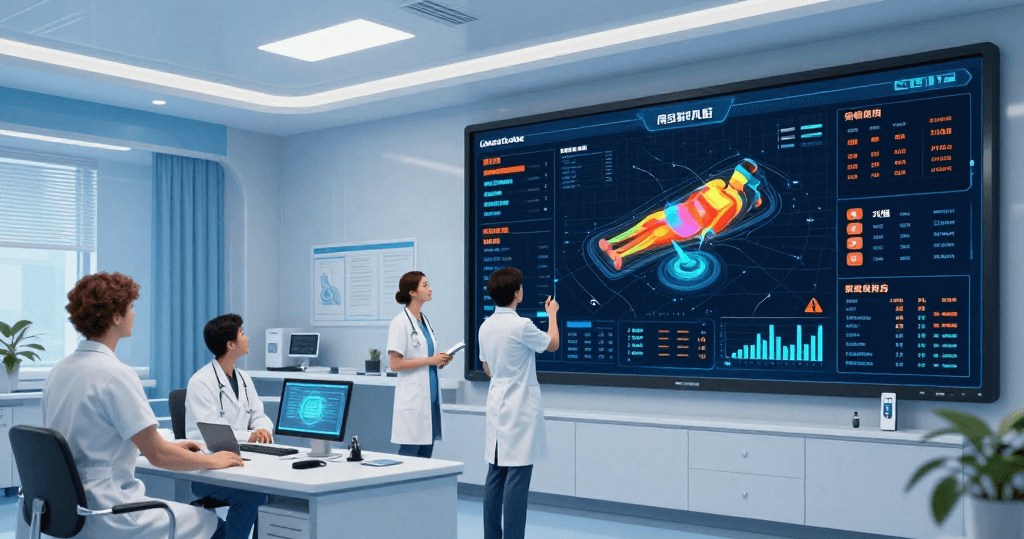
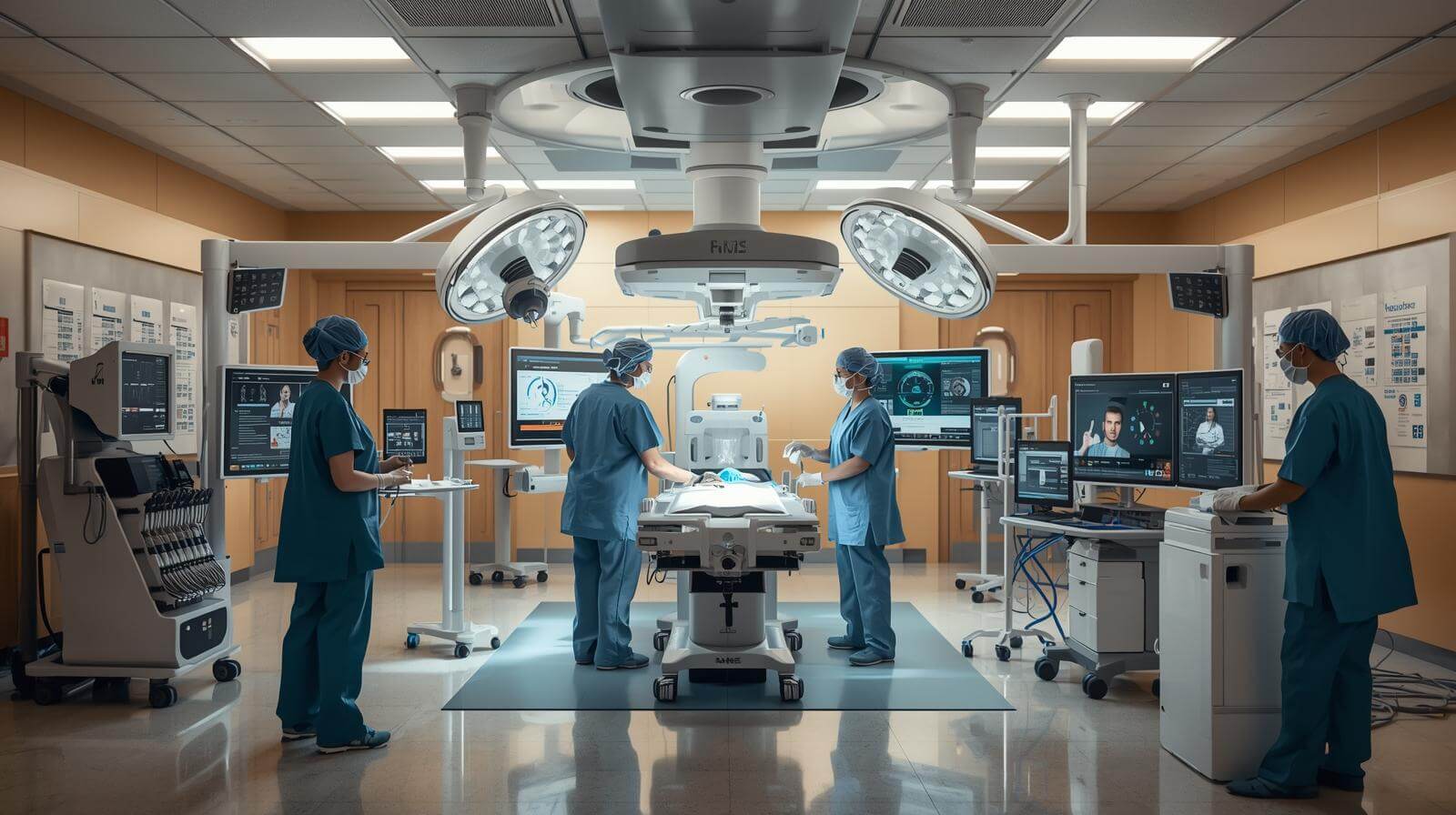
How much does a custom hospital management system development cost? This is the question we are most frequently asked when speaking with management teams from multiple private hospitals, healthcare groups, and specialty clinics in Hong Kong. The answer is not straightforward because hospital management systems (HMS/HIS) are not standardized products—they represent a long-term investment that deeply integrates clinical workflows, operational models, regulatory requirements, and future strategic planning. It is precisely for this reason that one-size-fits-all solutions often fail to fully support the needs of healthcare institutions. Drawing on our years of experience in custom hospital management system development, this article explains the key factors that influence development costs and helps management teams in Hong Kong adopt a more rational evaluation perspective. Unlike typical enterprise systems, hospital management systems serve three major dimensions simultaneously: clinical care, administrative operations, and decision management. Their complexity is far greater than that of standard ERP or CRM systems. From a practical standpoint, HMS cannot have a fixed price, mainly for the following reasons: First, each hospital’s service structure and workflow design are unique. Even among private hospitals, differences in specialty ratios, ward sizes, outpatient volumes, pharmacy operations, and medical staff roles significantly affect system module design and workflow logic. Second, healthcare institutions in Hong Kong generally need to comply simultaneously with regulatory standards, data privacy requirements, and international accreditations (such as JCI). Associated audit procedures, access controls, and data governance mechanisms are also reflected in system development costs. Most importantly, true custom hospital management system development is not simply about “stacking functionalities.” It begins with a process- and role-driven redefinition of system behavior, which inherently causes costs to vary from one institution to another. Whether the system covers scheduling, outpatient, inpatient, pharmacy, bed management, patient CRM, financial reporting, and management dashboards directly impacts system architecture and development hours. The higher the coupling between modules, the greater the design and testing effort required. The core value of a hospital management system lies in its alignment with actual medical workflows. Highly customized referral mechanisms, cross-departmental collaboration, and specialized service workflows often require additional business analysis and repeated validation. Most Hong Kong healthcare institutions already operate LIS, PACS, financial systems, or third-party platforms. How these systems integrate, the frequency of data synchronization, and error-handling mechanisms all contribute significantly to the development costs of healthcare information systems. User access levels, activity logs, data encryption, and audit reporting are not “just additional features.” They involve architectural decisions that permeate the entire system. In recent years, many hospitals have implemented alert mechanisms, operational analytics, and AI-assisted decision support. These features require a stable data foundation and scalable architecture, forming part of mid- to long-term cost planning. Many management teams initially prefer off-the-shelf HMS solutions because they “appear cheaper and deploy faster.” However, when viewed from a three- to five-year perspective, the total cost of ownership (TCO) often diverges significantly between the two options. Common hidden costs in standard systems include: Workflow mismatches requiring extensive manual correction Custom functionalities requiring repeated payments or being impossible to implement System upgrades constrained by vendor schedules Rapid cost escalation when expanding services or opening new facilities By contrast, while custom HMS may require higher upfront investment, under stable processes and clear requirements, its controllability and long-term cost predictability are often higher. For a more comprehensive comparison, please also refer to our article: “Custom Hospital Information Systems vs Off-the-Shelf Solutions: How Should Hospitals Choose?”. A well-designed custom HMS should be able to seamlessly integrate new insurance settlement interfaces or support the expansion of new specialty services several years down the line without requiring a system overhaul. From our practical experience, we typically recommend evaluating from the following perspectives: Strategic: Does the system support long-term expansion over the coming years? Operational: Does it genuinely reduce administrative burdens and improve resource allocation efficiency? Clinical: Does it minimize duplicate operations and information gaps? Financial: Can the investment translate into quantifiable efficiency gains or risk reduction? For most operational managers, the value of a hospital management system is not reflected in specification sheets or feature lists, but in whether it runs smoothly during peak periods, reduces cross-departmental friction, and allows staff and bed resources to be allocated efficiently. This is why more and more institutions recognize that, rather than purchasing off-the-shelf software and attempting to adjust workflows afterward, investing upfront in custom hospital management system development allows the system to truly align with clinical and administrative realities. If you are at a critical stage of hospital system redesign or upgrade, rather than rushing to select a system that “works for now,” it is better to have GTS assess your actual scale and operational characteristics. We can provide a feasibility study of system architecture and an investment efficiency analysis, helping you identify the truly suitable technical path and implementation pace: [Book a Free Consultation to Receive Your Custom HMS Planning Proposal].
1. Why Hospital Management Systems Do Not Have a Fixed Price
2. Key Cost Factors in Custom HMS Development
1.Scope and Depth of System Modules
2.Degree of Workflow Customization
3.Integration Requirements with Existing Systems
4.Security, Privacy, and Compliance Design
5.Intelligent and Data Analytics Requirements
3. Comparing Long-Term Costs: Custom HMS vs Off-the-Shelf Systems
4. How Healthcare Institutions Should Evaluate HMS Investment

GTS Enables Cost-Effective HMS Development