GTS News Center & Latest Updates
Your Most Professional Enterprise Systems and Software Custom Development Provider!



GTS News Center & Latest Updates
In the wave of digitalization in healthcare institutions, developing an HMS (Hospital Management System) has become a core tool for hospitals, clinics, and healthcare groups to improve operational efficiency. Whether it's a large private hospital or a specialist clinic, traditional management methods based on manual processes and paper-based systems are no longer sufficient to meet today's high standards for efficiency, data security, and compliance. This article will systematically explain the definition, core functions, practical application scenarios, and key directions that healthcare institutions should pay attention to when implementing HMS/HIS from the perspective of healthcare institution decision-makers, helping them establish a clear and practical understanding.

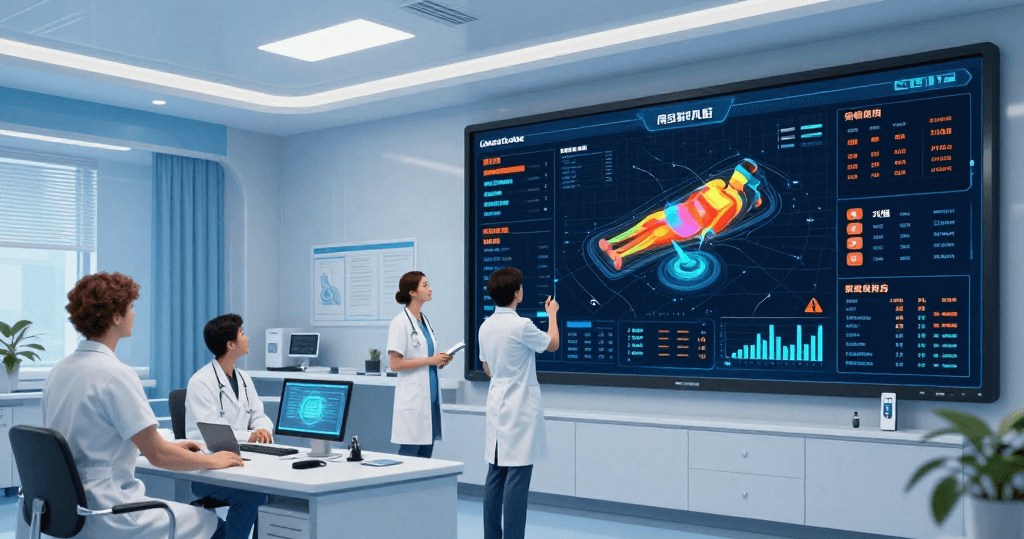
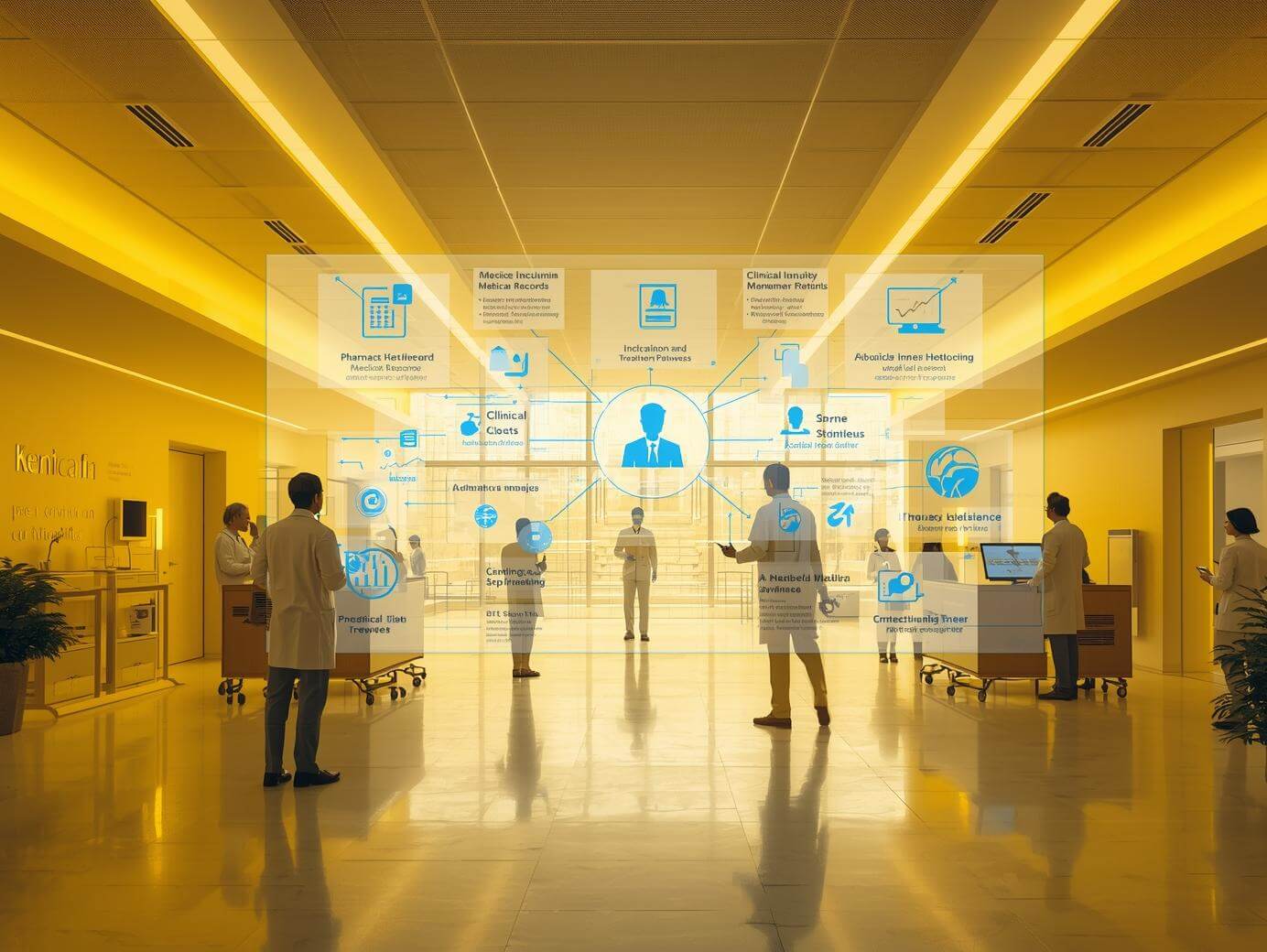
A Healthcare Information Management System (HMS) is a digital management platform for hospitals centered on "medical data," primarily used to integrate clinical data, patient information, and medical processes. In practical applications, HMS/HIS has evolved beyond the traditional concept of an "information system," becoming an integrated platform combining medical data and operational processes, encompassing administrative management, clinical operations, and data analysis functions.
These types of HMS systems typically include, but are not limited to, the following applications:
Patient data creation, maintenance, and historical record management
Digital management of registration, scheduling, waiting areas, and treatment processes
Integration of billing, settlement, and insurance-related information
Centralized presentation of medical orders, test results, and examination results
For healthcare institution management, the true value of an HMS is not merely "system launch," but rather the ability to standardize hospital processes and real-time data through the integration capabilities of the HMS healthcare information system. This lays a stable and scalable foundation for the subsequent implementation of AI, telemedicine, and smart healthcare applications.
When healthcare institutions decide to develop a hospital HMS system, their primary concern is often not the technical details, but rather what practical problems it can solve and in what scenarios it can be used. A mature hospital health management system (HMS) typically needs to possess the following key functions:
1. Patient Information and Electronic Medical Record Management
The system centrally manages patients' basic information, historical medical records, diagnoses, and treatment plans, allowing healthcare staff to view complete information instantly in any authorized context, reducing communication costs and error risks.
2. Appointment and Scheduling Management
Through digital appointment and scheduling functions, hospitals can more accurately allocate doctor slots, clinic resources, and waiting order, reducing on-site chaos and manpower pressure.
3. Examination and Laboratory Integration
The HMS system can connect with imaging systems (such as radiology and ultrasound) and laboratory information systems (LIS), enabling reports to be automatically written back into medical records, avoiding errors caused by manual input.
4. Billing and Insurance Processing
The system can automatically generate billing items based on the treatment content and supports multiple payment methods and insurance integration, improving settlement efficiency and verification accuracy.
In practical applications, HMS systems are widely used in various scenarios, including cross-departmental collaboration in large general hospitals, streamlined operational management in private clinics, precise patient tracking in specialist centers, and centralized management of multiple hospital campuses within healthcare groups.
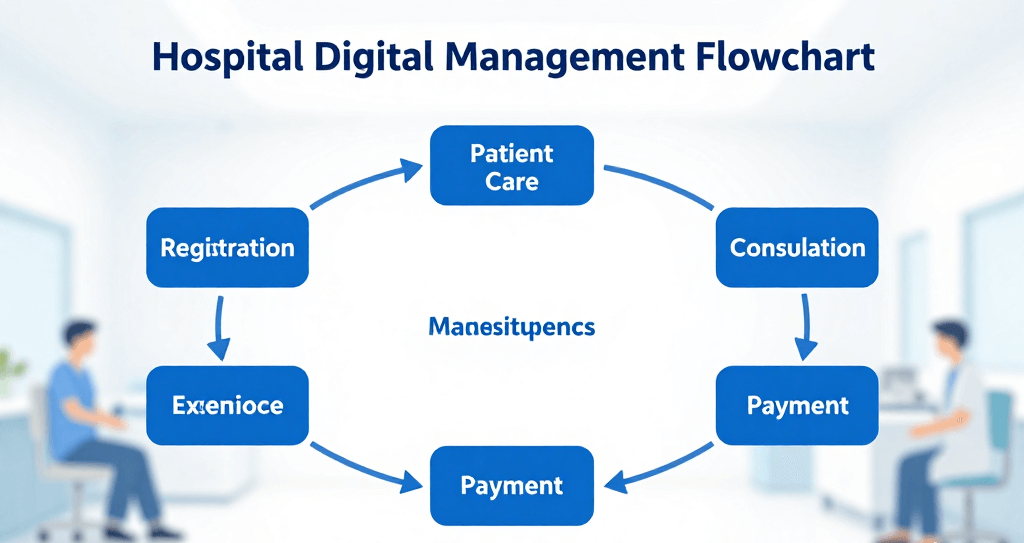
Many healthcare institutions underestimate the hidden costs of fragmented processes before implementing a system, including wasted manpower, data errors, management blind spots, and compliance risks. Implementing an HMS healthcare information system essentially transforms processes that were previously "experience-based" into a "data-driven" management model.
Firstly, in terms of efficiency, the system can significantly reduce manual operation time. For example, in registration and payment, traditional on-site windows often require repeated data entry, while a digital system can automatically import patient information, shortening the time required for each transaction. For healthcare institutions with high daily patient volumes, the cumulative benefits are considerable.
Secondly, at the management level, an HMS system allows managers to monitor operational status in real time, such as daily outpatient volume, departmental load, treatment efficiency, and resource utilization. This data serves as a crucial basis for staffing and strategy adjustments.
At the compliance level, medical data involves high privacy and regulatory requirements. Systematic management automatically records access and operation logs, making it easier for institutions to pass audits and inspections.
For healthcare institutions considering digital transformation, choosing a partner with experience in the healthcare industry is particularly important. GTS Smart Healthcare Management System Development Services focus on providing customized HMS/HMS solutions for healthcare institutions. From requirements analysis, process design, module development to deployment and maintenance, a modular and scalable system architecture is adopted, allowing healthcare institutions to gradually complete digital upgrades at a controllable cost, rather than taking on a one-time high-risk undertaking.
By partnering with GTS, healthcare institutions can gradually build their own smart healthcare infrastructure by prioritizing core processes, truly enabling the system to serve the business, rather than being enslaved by the system.
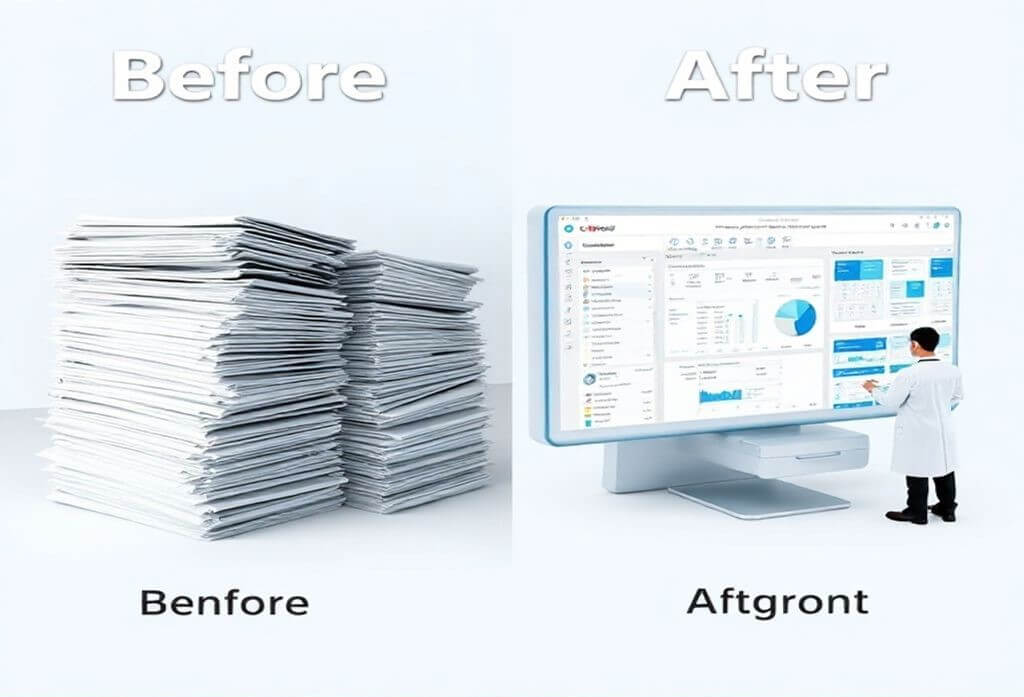
In summary, HMS/HIS is not merely a software system, but rather the foundational infrastructure for modern management in healthcare institutions. When planning and developing a hospital HMS system, healthcare institutions need to prioritize essential functions based on their specific business characteristics, gradually expanding upon them, rather than pursuing all features at once and risking project risks spiraling out of control. Through the implementation and planned development of an HMS system, healthcare institutions can effectively improve process efficiency, data quality, and management transparency.
For healthcare decision-makers, the key is not choosing the most complex technology, but rather selecting a partner who truly understands the healthcare context and can provide long-term support and system evolution capabilities. GTS will continue to provide professional, stable, and implementable smart healthcare system development services to help more healthcare institutions build a secure, reliable, and sustainable digital foundation.
This article, "What is an HMS/HIS Healthcare Management System? Basic Functions and Application Scenarios" was compiled and published by GTS Enterprise Systems and Software Development Service Provider. For reprint permission, please indicate the source and link: https://www.globaltechlimited.com/news/post-id-3/