GTS News Center & Latest Updates
Your Most Professional Enterprise Systems and Software Custom Development Provider!



GTS News Center & Latest Updates
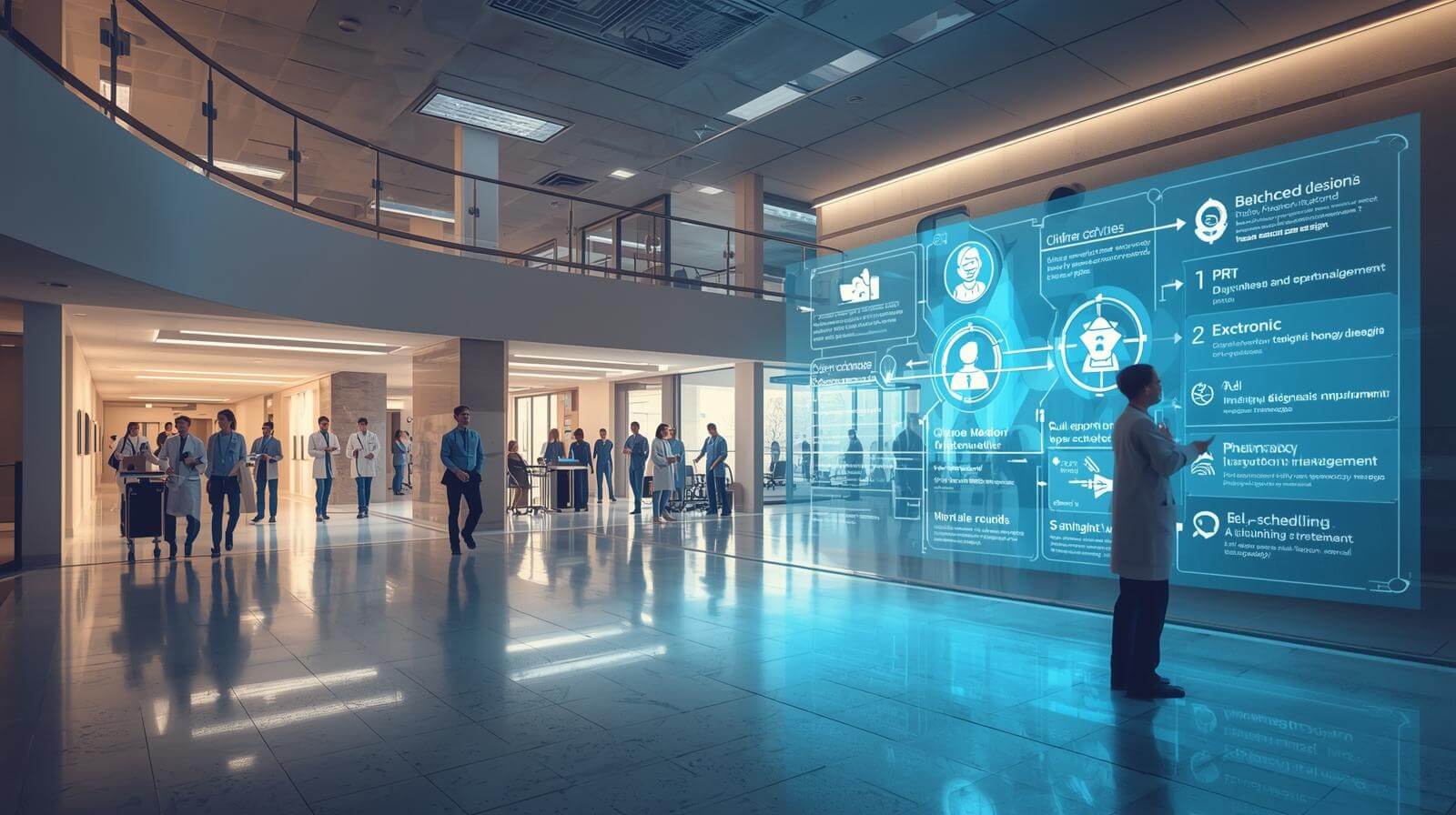
With the continuous increase in healthcare service demand in Hong Kong, along with the growing specialization of medical disciplines and the widespread operation of multi-hospital networks, healthcare institutions are facing unprecedented pressure in information management. When outpatient, inpatient, laboratory, imaging, and pharmacy systems operate in isolation for long periods, it not only creates data silos but also directly affects clinical efficiency and management decision-making.For hospital leadership, building a scalable HMS Hospital Management System Implementation architecture is no longer simply an IT upgrade, but a fundamental step toward driving comprehensive digital healthcare transformation.
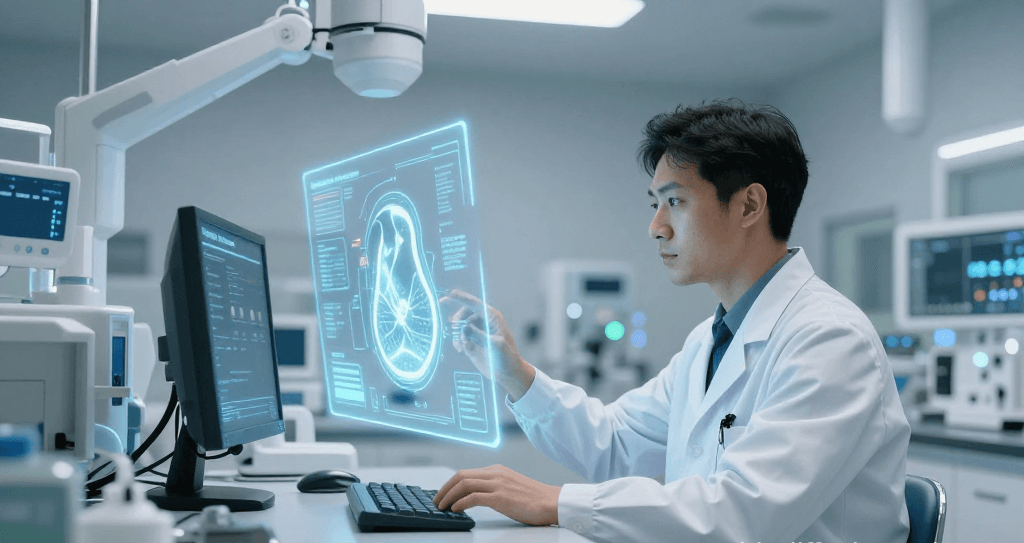
Many healthcare institutions initially approach digitalization by implementing single application systems, such as outpatient appointment systems or Electronic Medical Records (EMR). However, as institutions expand and service workflows become increasingly complex, fragmented IT systems often lead to inconsistent data and declining operational efficiency.
As a result, more healthcare organizations are re-evaluating their overall healthcare IT architecture and integrating different modules into a unified platform through HMS Hospital Management System Implementation. Through centralized data management and coordinated workflows, healthcare institutions can more effectively:
Improve the efficiency of clinical information flow
Establish comprehensive patient lifecycle data management
Strengthen healthcare operational data analytics capabilities
Support cross-hospital and cross-department collaboration
From a long-term perspective, HMS is not only a management tool but also a critical infrastructure for healthcare data governance and decision analytics.
From a technical perspective, modern healthcare information platforms are gradually shifting from monolithic systems toward modular and microservices architectures. This approach allows healthcare institutions to continuously expand or upgrade functional modules without interrupting core systems.
A comprehensive HMS platform typically includes the following core systems:
Electronic Medical Records (EMR)
Laboratory Information System (LIS)
Picture Archiving and Communication System (PACS)
Pharmacy and inventory management
Patient relationship management (CRM)
These modules are interconnected through a unified data model and the Master Patient Index (MPI), ensuring data consistency across different systems.
If healthcare institutions are evaluating system development strategies, factors such as cost structure and integration planning are just as important as technical architecture. In another article, “Hospital Management System Development Guide: A Comprehensive Analysis of Costs, Integration, and Strategy for Hong Kong Healthcare Institutions” we provide an in-depth analysis of common budgeting and deployment considerations during healthcare system implementation, which can serve as an important reference during the early planning phase.
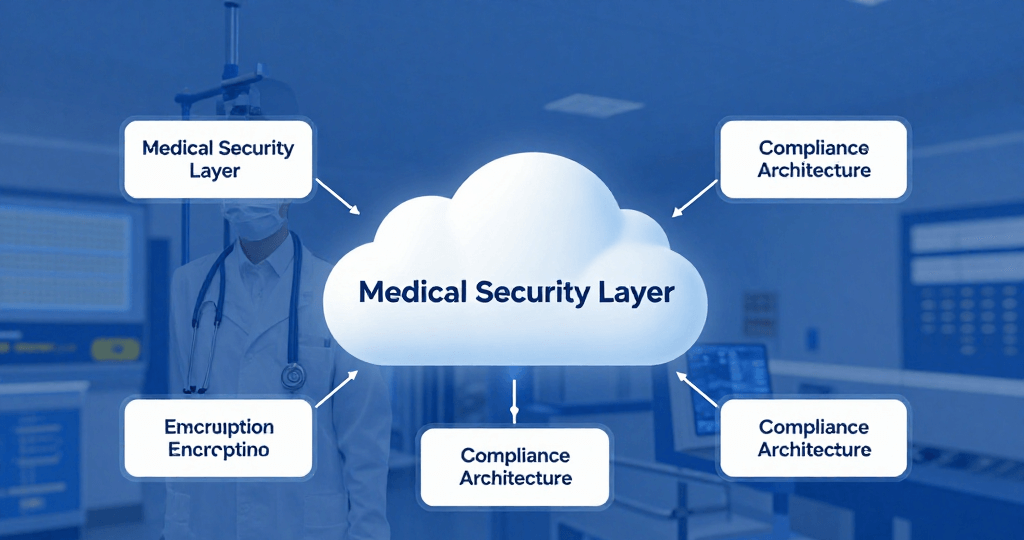
In healthcare environments, the real value of information systems ultimately lies in supporting clinical workflows. In recent years, many organizations planning Clinical Healthcare Management System Development have shifted their focus toward the actual working processes of healthcare professionals rather than simply adding more system modules.
Through workflow-oriented system design, HMS platforms can support various clinical optimizations, including:
Automated physician consultation workflows
AI voice medical record input
SOAP-structured clinical documentation generation
Clinical Decision Support Systems (CDSS)
These technologies can significantly reduce the time physicians spend on administrative documentation, allowing them to focus more on clinical care while simultaneously helping healthcare institutions accumulate high-quality clinical data.
In healthcare IT environments where multiple systems coexist, interoperability is a key factor influencing the overall value of the system. Without unified data standards, significant manual processing and data transformation are often required between systems.
To address this issue, the global healthcare IT industry widely adopts standards such as FHIR R4 and HL7 as the foundation for healthcare data exchange. Through these standards, HMS platforms can enable:
Cross-system medical record integration
Automatic synchronization of laboratory and imaging data
Third-party medical device integration
Healthcare data sharing and analytics
For healthcare institutions in Hong Kong, a highly interoperable system architecture can also lay the groundwork for future healthcare information connectivity.

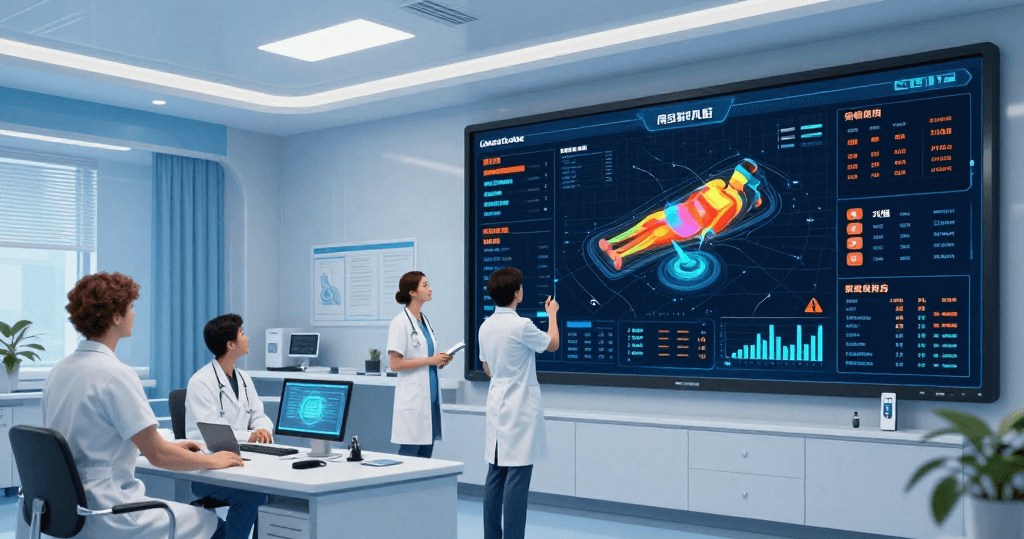
As artificial intelligence technologies continue to mature, healthcare information platforms are entering an intelligent phase. By integrating AI analytics with operational data, Smart Healthcare Solutions help healthcare institutions improve efficiency across multiple dimensions, such as:
Intelligent outpatient scheduling
Patient flow forecasting
Clinical risk prediction
Healthcare resource allocation analysis
These capabilities allow management teams to gain faster insight into operational performance and make strategic decisions based on data rather than relying solely on experience.
In real-world implementation, healthcare institutions often require experienced technology partners to assist in system architecture design and long-term platform upgrades. For example, GTS provides enterprise-grade HMS platform customization services for healthcare institutions in Hong Kong, combining microservices architecture, FHIR/HL7 interoperability standards, and AI voice medical record technologies to support the complete medical workflow from outpatient services to inpatient care.
If your organization is planning the next phase of HMS Hospital Management System Implementation, it is recommended to begin with a comprehensive evaluation of existing IT infrastructure and clinical workflows. Through systematic planning and professional technical support, healthcare institutions can enhance clinical efficiency while building a digital healthcare platform with long-term scalability.
This article, "HMS Hospital Management System Implementation Guide: Architecture Design, System Integration, and AI-Driven Clinical Management Upgrade" was compiled and published by GTS Enterprise Systems and Software Development Service Provider. For reprint permission, please indicate the source and link: https://www.globaltechlimited.com/news/post-id-45/