GTS News Center & Latest Updates
Your Most Professional Enterprise Systems and Software Custom Development Provider!



GTS News Center & Latest Updates
In the digital transformation of manufacturing and large industrial enterprises, Industrial IoT system setup is gradually becoming a critical foundation for building smart manufacturing and data-driven operations. By integrating equipment, sensors, and enterprise management systems, companies can monitor equipment status, production efficiency, and operational data in real time, while improving overall decision-making capabilities through data analytics. However, many organizations face a common challenge when planning an IIoT platform: how to ensure system stability and security while building an architecture that supports long-term scalability. This article explores the key considerations enterprises should focus on when implementing Industrial IoT systems, covering architecture design, implementation processes, and vendor selection. Industrial IoT system setup refers to integrating industrial equipment with enterprise information systems through device connectivity, data platforms, and intelligent analytics technologies. The goal is to build a technical architecture capable of continuously collecting, processing, and analyzing equipment data. Compared with general IoT applications, IIoT systems emphasize the following characteristics: Industrial-grade system stability Highly secure device communication Integration with enterprise IT systems Long-term scalability and multi-device management In practical applications, enterprises often connect PLC, SCADA, MES, or ERP systems to an IoT platform so that equipment data can be transformed into actionable operational insights. This approach not only improves equipment visibility but also supports high-value applications such as predictive maintenance, smart manufacturing, and energy management. Most enterprise-level systems can be divided into four primary layers: This layer collects operational data from industrial equipment, including sensors, PLC controllers, and various industrial devices. Common communication protocols include Modbus, OPC UA, and MQTT. Edge devices process and filter data locally within the factory environment, reducing the burden of cloud transmission while improving system responsiveness. This is particularly important for industrial scenarios requiring real-time monitoring and control. This layer forms the core of enterprise Industrial IoT solutions, primarily responsible for device management, data storage and analytics, API integration with enterprise systems, and IoT platform service management. Through data dashboards, AI analytics, and operational visualization tools, managers can monitor equipment conditions, production performance, and key operational indicators in real time, improving enterprise decision-making efficiency. When deploying IIoT systems, enterprises are generally advised to adopt a phased approach rather than implementing the entire platform at once. The process typically includes the following stages: Predictive maintenance for equipment Production efficiency optimization Energy monitoring and management Production process data integration Edge device and network architecture Industrial communication protocols IoT platform technologies Data storage and analytics approaches During this phase, equipment data is connected to the platform and integrated with ERP, MES, or data warehouse systems so that operational data can directly support enterprise management and decision-making. It is recommended to first deploy a pilot system on a single production line or equipment group before gradually expanding to the entire factory or enterprise. In real-world projects, enterprises often encounter various technical and management challenges when implementing IIoT systems, such as: Inconsistent communication protocols across devices Legacy equipment lacking data interfaces Integration difficulties between IT and OT systems Industrial network security concerns Insufficient platform scalability If these issues are not properly addressed during the early planning stage, they may affect the overall success of the system deployment. For a deeper understanding of common integration challenges in IIoT projects, you may refer to our previous analysis article: “Industrial IoT Integration Development: What Challenges Do Enterprises Most Commonly Face?” which outlines typical issues in device integration and platform architecture planning. For most enterprises, an IIoT platform is a long-term investment, making the selection of the right technology partner critically important. When evaluating potential vendors, companies should focus on the following capabilities: Experience in large-scale device integration Ability to provide customized IoT platform architectures Enterprise-level PaaS capabilities Familiarity with manufacturing operations For example, technology teams such as GTS that specialize in enterprise-level IIoT system development typically design complete IoT platforms based on an organization’s overall data architecture. Through customized system development, they help enterprises build a digital foundation that enables smart equipment management, data-driven operations, and visualized decision-making. If your organization is planning an IIoT platform or evaluating its Industrial IoT system setup strategy, consider discussing real application scenarios with technical experts. GTS can assist in planning a complete IIoT platform architecture and customized system development solutions, enabling enterprises to gradually achieve industrial digital transformation through scalable deployment. These typically include device communication protocols, edge computing, IoT platform architecture, cloud-based data analytics, and enterprise system integration technologies. Not necessarily. Many enterprises can connect legacy equipment to an IoT platform using sensors and edge devices, gradually enabling equipment data integration. For medium-to-large enterprises, customized platforms usually better match existing equipment environments and enterprise system architectures. As a result, many IIoT projects adopt customized development approaches. As manufacturing and industrial enterprises continue advancing toward smart manufacturing and digital transformation, Industrial IoT system setup has become a key foundation for improving operational efficiency and data-driven decision-making. With well-designed architectures, clear implementation processes, and the right technology partners, enterprises can establish stable and scalable IIoT platforms and gradually move toward truly data-driven intelligent operations.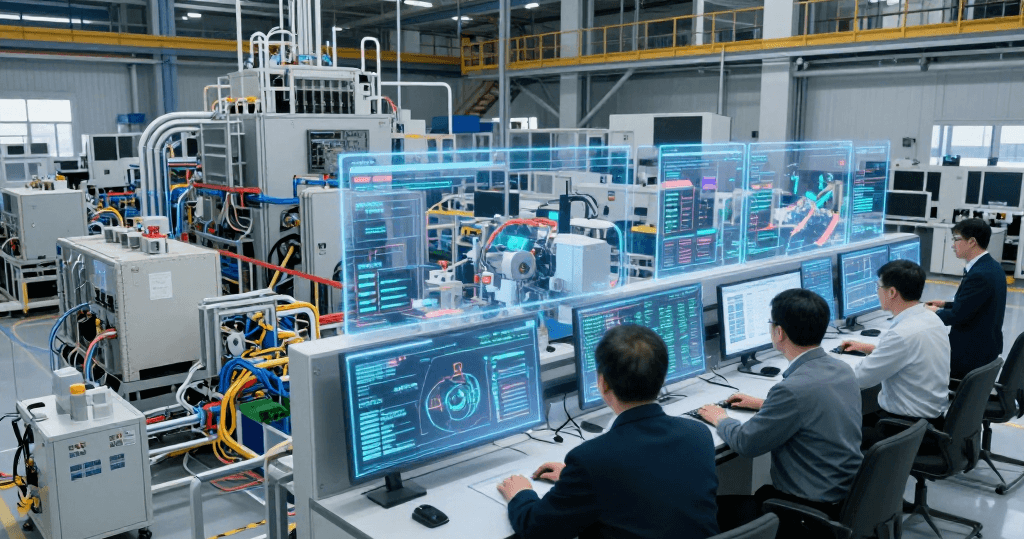
1. What Is Industrial IoT System Setup?
2. Core Components of an Industrial IoT System Architecture
1. Device and Sensor Layer
2. Edge Computing Layer
3. Data Platform and Integration Layer
4. Application and Decision Layer
3. Implementation Process of Industrial IoT System Setup
1. Requirement Analysis and Application Scenario Definition
2. System Architecture Planning and Technology Selection
3. Platform Development and System Integration
4. Pilot Deployment and Gradual Expansion
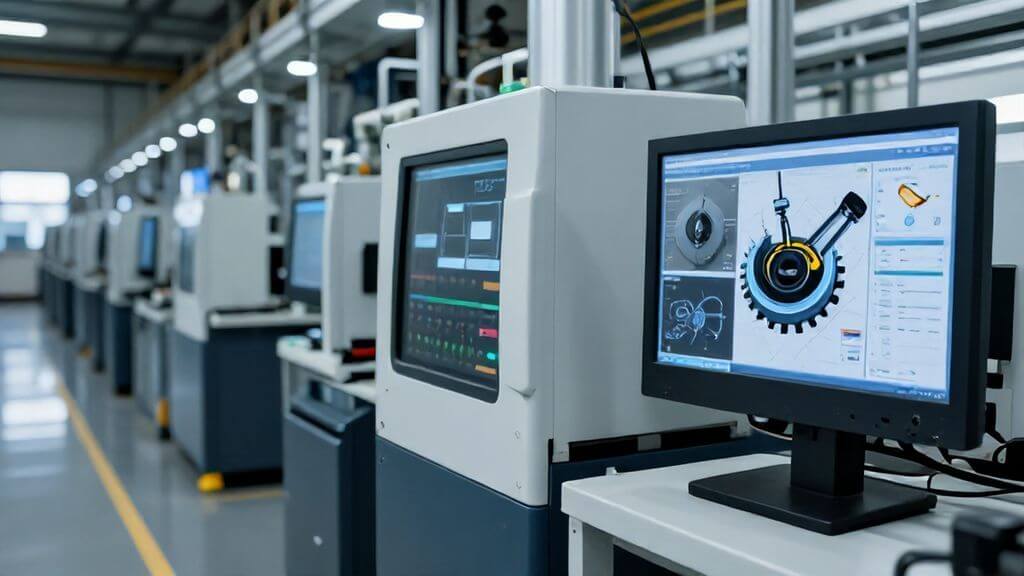
4. Common Challenges in Industrial IoT Deployment
5. How to Choose the Right Industrial IoT Solution Provider
6. Frequently Asked Questions (FAQ)
What core technologies are required for Industrial IoT system setup?
Do IIoT systems require replacing existing equipment?
Does an Industrial IoT platform require customized development?