GTS News Center & Latest Updates
Your Most Professional Enterprise Systems and Software Custom Development Provider!



GTS News Center & Latest Updates
Amid the ongoing digitalization of Hong Kong's financial markets and accelerating global capital flows, Quantitative Trading System Development is no longer merely a technical upgrade. It has become a key strategic approach for firms to improve trading efficiency, strengthen risk management, and reduce long-term operational costs. Whether it is brokerages, asset management companies, or diversified fintech enterprises, establishing a high-performing and robust trading system has become crucial for maintaining competitiveness and managing market volatility. This article will comprehensively analyze practical considerations for Hong Kong-based enterprises implementing Quantitative Trading System Development, covering market demand, system architecture, robot integration, regulatory compliance, and enterprise-level Financial System Solutions. As an international financial hub, Hong Kong boasts large-scale markets and rapid capital mobility while being strictly regulated by the Securities and Futures Commission (SFC) and the Hong Kong Monetary Authority (HKMA). With rising cross-market trading demands, the proliferation of high-frequency trading strategies, and the growing complexity of multi-asset transactions, manual operations alone can no longer satisfy requirements for low-latency execution, real-time risk management, and precise strategy implementation. Enterprises commonly face: (1)Integration challenges across multiple markets and asset classes (2)Insufficient system stability under high trading volumes (3)Increased compliance reporting and audit traceability pressures Professional Quantitative Trading System Development helps firms build scalable technical infrastructure, enabling real-time market data processing, intelligent order routing, and closed-loop risk management, significantly reducing operational errors and latency risks. The architecture of enterprise-grade trading systems must balance high performance, low latency, and scalability. Core components typically include: Market Data Engine High-Performance Matching Engine Order Management System (OMS) Clearing and Settlement Modules Account and Funds Management System Real-Time Risk Control Module From a technical perspective, distributed microservices architecture and event-driven design (Event-Driven Architecture) are key to ensuring high availability and synchronous trading risk control. These architectures avoid single points of failure and support multi-market, multi-strategy operations. Strategy version management, sandbox testing, and audit logging are essential to system stability and compliance. As emphasized in our previous article, “Fintech Trading System Development Explained: A Practical Guide for Enterprises“, enterprise-grade platforms must balance execution efficiency with risk control loops to remain competitive in Hong Kong and US equity and derivative markets. For enterprises involved in forex or cross-border trading, Automated Forex Trading Robots serve as core strategy execution tools. However, a single robot cannot independently form a complete trading system. Its performance relies on integration with market data sources, liquidity providers, risk engines, matching systems, and backtesting monitoring modules. Enterprises can use strategy version management, sandbox testing, and event-driven design to ensure system upgrades do not affect live trading stability. Additionally, adaptive position adjustments and strategy optimization features help reduce risk and improve returns in volatile markets. Given Hong Kong’s strict regulatory environment, enterprises conducting Quantitative Trading System Development must comprehensively address compliance and risk management. According to SFC's Guidelines for the Regulation of Automated Trading Services and HKMA regulatory policies, enterprises should establish: Comprehensive risk management and internal control mechanisms Pre- and post-trade monitoring procedures System testing and version management policies At the same time, embedding Financial System Solutions, including KYC, AML, trade surveillance, audit tracking, full logging, and stress-testing procedures, ensures compliance and operational sustainability. These measures enable enterprises to maintain trading efficiency while mitigating regulatory risk and achieving long-term operational resilience. (Note: The above regulatory documents are all publicly available information. Companies should conduct professional legal assessments based on their own license categories and business scope.) Efficient and robust Quantitative Trading System Development has become a cornerstone for Hong Kong enterprises to maintain competitiveness in financial markets. From market analysis and system architecture design to Automated Forex Trading Robots integration, risk control, and compliance implementation, each step directly impacts trading efficiency and long-term returns. Partnering with experienced technical providers such as GTS, which offers end-to-end customization from market data processing and matching engines to clearing, settlement, CRM, and fund management, enables enterprises to build a sustainable and evolving trading platform while controlling costs. If your enterprise wants to learn how to build a Quantitative Trading System Development platform compliant with Hong Kong market regulations, click here to explore enterprise-level solutions and dedicated technical support.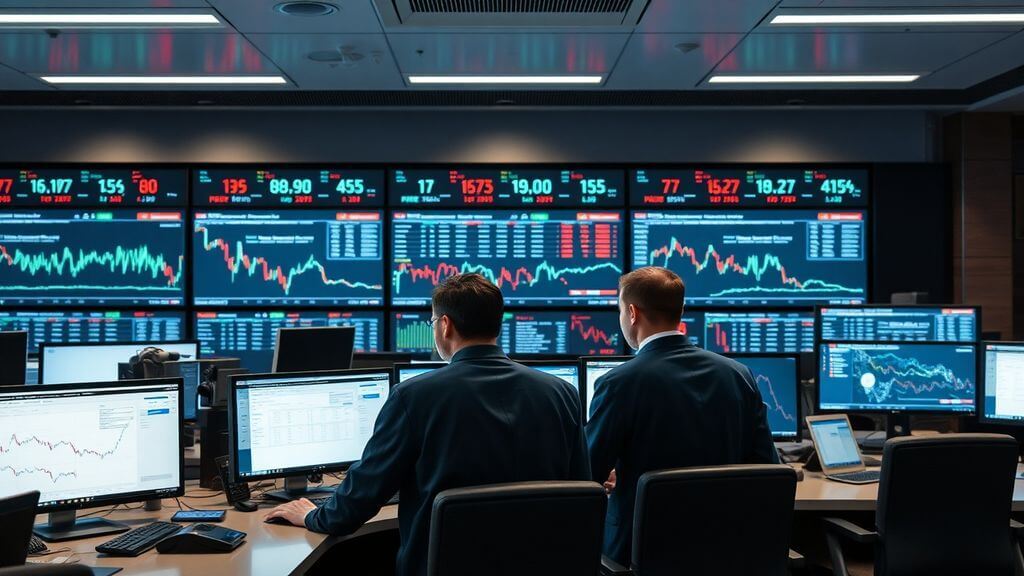
1. Why Hong Kong Enterprises Require Professional Quantitative Trading System Development
2. Core Architecture and Design Principles of Enterprise-Level Quantitative Trading Systems

3. Enterprise-Level Automated Forex Trading Robots Integration and Strategy Execution
4. Regulatory Compliance, Risk Management, and Financial System Solutions Implementation